

Geopolitical headline risk dominates the early European session as markets digest highly fluid and conflicting reports surrounding a potential US-Iran memorandum of understanding to reopen the Strait of Hormuz. While US Secretary of State Rubio hints at imminent diplomatic progress, cautious rhetoric from President Trump and Israeli Prime Minister Netanyahu keeps risk assets on a tight leash ahead of the London open.
1. The Primer
The early morning liquidity bridge is defined by intense geopolitical posturing as market participants weigh the prospects of a temporary diplomatic breakthrough in the Middle East against persistent structural friction. With conflicting headlines regarding the Strait of Hormuz blockade hitting the tape, traders should prepare for elevated volatility and sudden liquidity sweeps across energy and safe-haven complexes.
2. The Macro Field
The scheduled macroeconomic calendar is exceptionally light this morning, leaving the global narrative entirely at the mercy of geopolitical diplomacy and central bank policy undertones. Overnight, the People’s Bank of China (PBoC) signaled plans to enhance real estate financial oversight to stabilize its domestic property sector, but this has been largely overshadowed by the high-stakes negotiations between Washington and Tehran. Institutional desks are tracking reports of a potential 60-day ceasefire extension and a 30-day window to resolve the Strait of Hormuz blockade; however, Iran’s Tasnim News has already warned that the agreement remains highly fragile due to unresolved disputes over frozen assets. Until concrete signatures are secured, macro sentiment will remain highly reactive to headline flow rather than fundamental data.
3. The Intraday Edge
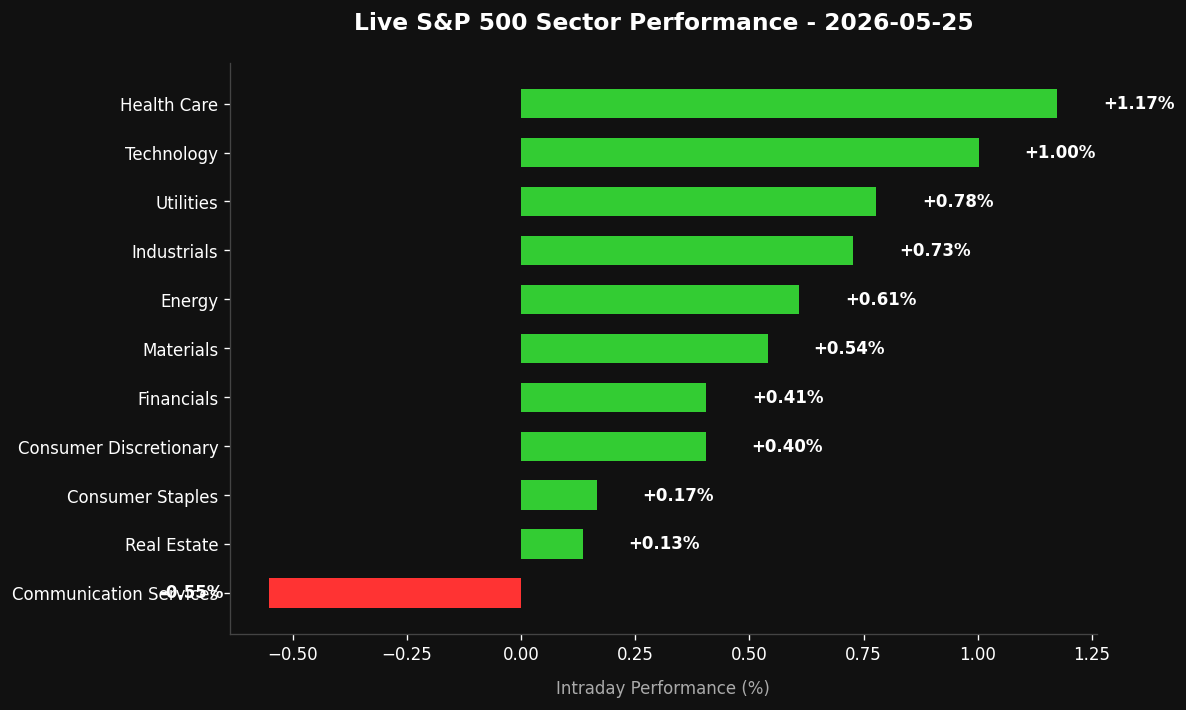
With the geopolitical landscape shifting by the minute, institutional flow is heavily concentrated in Crude Oil (WTI/Brent), Gold, and safe-haven fiat pairs. Intelligence reports indicate that approximately 240 vessels are currently awaiting permission from Iran to enter the Strait of Hormuz, representing a massive supply-chain bottleneck that is keeping energy markets highly coiled.
If a formal memorandum of understanding is signed and the blockade is lifted, expect a rapid downside flush in Crude Oil as supply fears ease, targeting key structural liquidity pools below recent swing lows. Conversely, any headline suggesting that diplomatic talks have stalled or that Israel is pushing back against the terms will trigger an immediate, violent short-squeeze in energy and a flight to quality in Gold and the US Dollar. Given the high probability of algorithmic whipsaws, the tactical play for the London open is to avoid trading the immediate headline reaction and instead wait for the market to establish structural acceptance above or below key intraday pivot levels.
4. The Execution (Psychology)
In headline-driven environments, the “First-Reaction Fallacy” is a trader’s quickest path to ruin. Algorithmic execution models are primed to trigger massive orders on specific keywords like “deal,” “blockade,” or “collapse,” creating immediate, violent price spikes that are frequently faded minutes later as the actual text of the news is digested. Your edge as a human operator lies not in trying to out-speed the machines, but in exercising the discipline to sit on your hands during the initial spike. Let the algorithms exhaust themselves, wait for the retest of structural levels, and only commit capital when the risk-to-reward ratio is clearly defined and heavily in your favor.
5. Bottom Line
Treat the London open as a high-risk headline minefield: prioritize capital preservation, keep position sizes strictly defensive, and do not chase breakout momentum in Crude or Gold until the geopolitical dust settles.
Leave a Reply