

1. The Primer
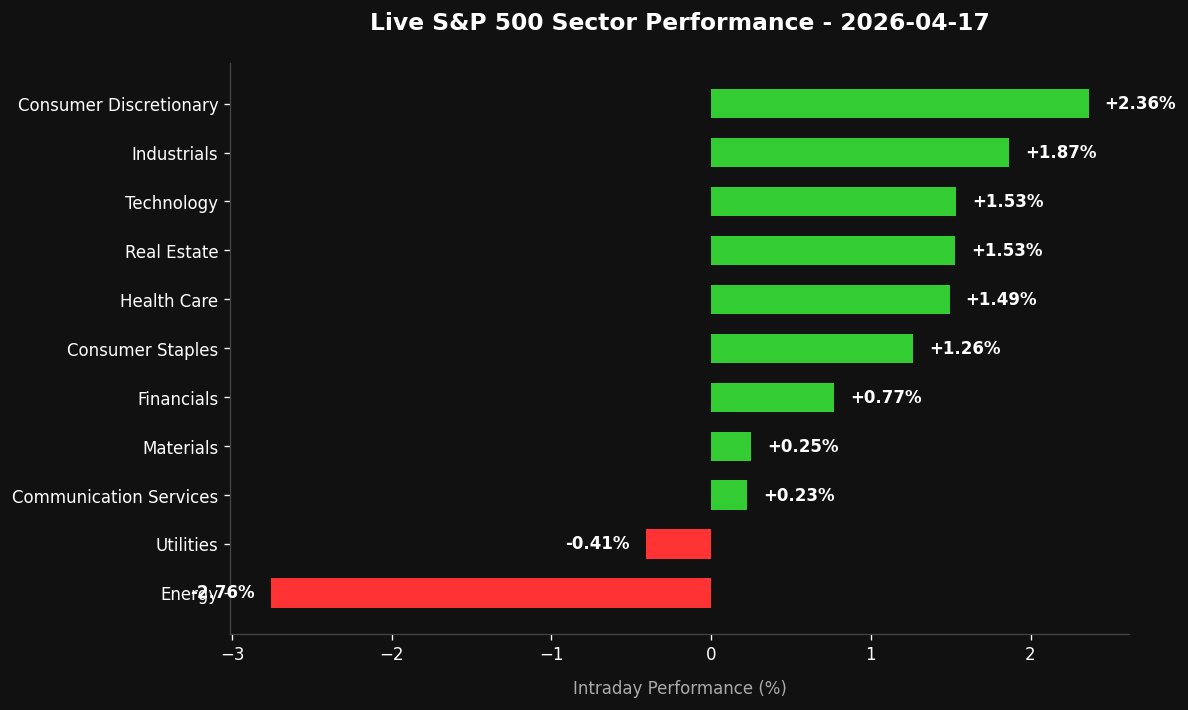
Geopolitical risk premiums collapsed in the post-US session as headlines signaled a preliminary deal to reopen the Strait of Hormuz and suspend Iran’s nuclear program. While energy markets reacted with a massive $760 million liquidation in Brent futures, conflicting reports regarding uranium transfer suggest that institutional volatility is far from over.
2. The Macro Field
The macro narrative shifted violently from “inflationary shock” to “disinflationary pivot” following Trump’s announcement of an indefinite Iranian nuclear suspension. This geopolitical de-escalation was immediately echoed by Fed’s Daly, who noted that a swift end to the conflict could accelerate the timeline for 2026 rate cuts, providing a potential tailwind for risk assets. However, the IMF and Saudi finance officials remain cautious, warning that the “toll” of the recent price shocks will persist and that normalizing energy flows through the Strait will be hampered by lagging maritime insurance approvals.
3. The Intraday Edge
Institutional flow was most visible in the energy sector, where a massive 7,990-lot sell order in Brent crude futures hit the tape just 20 minutes prior to the official Hormuz reopening announcement—a clear signal of “smart money” front-running the de-escalation. In the equity space, Meta is back in the spotlight following reports of a 10% workforce reduction scheduled for May 20, suggesting a continued “Year of Efficiency” focus that may support margins despite broader macro uncertainty. Meanwhile, the crypto complex saw significant exchange inflows, with over 8,000 BTC hitting Bitfinex and Bitstamp, indicating that whales are positioning for liquidity as the market digests the shifting geopolitical landscape. Traders should watch the “coordinated route” in the Strait; if shipping traffic fails to normalize despite the political rhetoric, expect a sharp mean-reversion in oil prices.
4. The Execution (Psychology)
Today’s session highlights the danger of “headline chasing” in a high-frequency news environment. The $760 million Brent trade proves that by the time a retail trader reads a “Breaking” tweet, the institutional move is often already priced in. High-performance trading requires the discipline to wait for the “retest” of new levels rather than reacting to the initial spike. When the tape moves 20 minutes before the news, your job is not to guess why, but to recognize the shift in order flow and adjust your risk parameters accordingly. Stay objective: Iran’s denial of certain deal terms suggests the “first move” may be a head-fake.
5. Bottom Line
The “Hormuz Risk Premium” is being aggressively priced out, but until shipping groups like BIMCO confirm safe passage, maintain a neutral-to-bearish bias on energy and look for tech-sector resilience as the Fed’s “cut” narrative returns to the table.
Leave a Reply